

A Renter’s Budget That Actually Works in the Puget Sound (2026 Numbers)
- April 25, 2026

01. Start With Take-Home, Not Gross
Every budget article tells you to spend 30% of your gross income on rent. If you make $75,000 in Washington, that’s $1,875/month. Good luck finding that in any decent neighborhood within 30 minutes of Seattle or Tacoma.
What matters is take-home. $75,000 gross in Washington (no state income tax) is roughly $5,250/month after federal tax and benefits. The honest version: most Puget Sound renters spend 32 to 40% of take-home on rent. Build your budget from th
02. The 50/30/20 With Puget Sound Tax
A workable starting framework in 2026:
- 55% to needs (rent, utilities, groceries, transportation, insurance, phone, healthcare)
- 25% to wants (dining out, streaming, hobbies, travel, clothing)
- 20% to savings and debt (retirement, emergency fund, student loans, credit cards)
03. Rent + What Rent Actually Costs
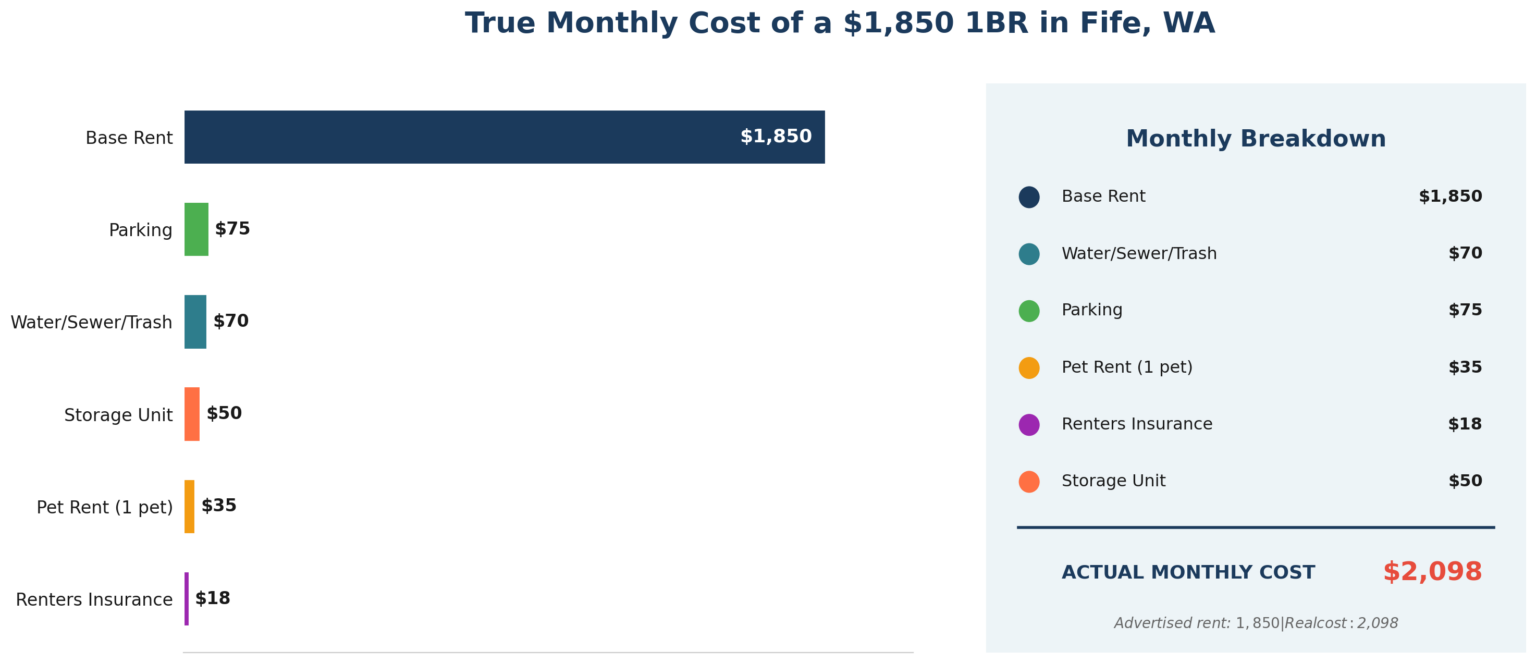
Base rent isn’t the whole number. Here’s what actually hits your bank account most months:
- Base rent.
- Water / sewer / trash (usually RUBS-billed, $45 to $95/month).
- Pet rent ($25 to $50/month per pet, if applicable).
- Parking ($25 to $200/month depending on building and neighborhood).
- Renters insurance ($12 to $25/month).
- Storage unit if your unit is tight ($30 to $75/month).
On a $1,850 “base rent” 1BR in Fife, your actual monthly housing cost is usually $2,000 to $2,100 once everything is include
04. Utilities: Real Monthly Numbers
For a 1BR in Western Washington in 2026, typical ranges:
- Electric: $35 to $75/month. Higher in January and February.
- Gas (if your building has it): $25 to $55/month.
- Internet: $55 to $90/month for a decent plan.
- Phone: $35 to $75/month on a family plan, $60 to $120 individually.
- Streaming subscriptions: Budget $35 to $60/month if you’re realistic.
05. Transit vs. Car Math
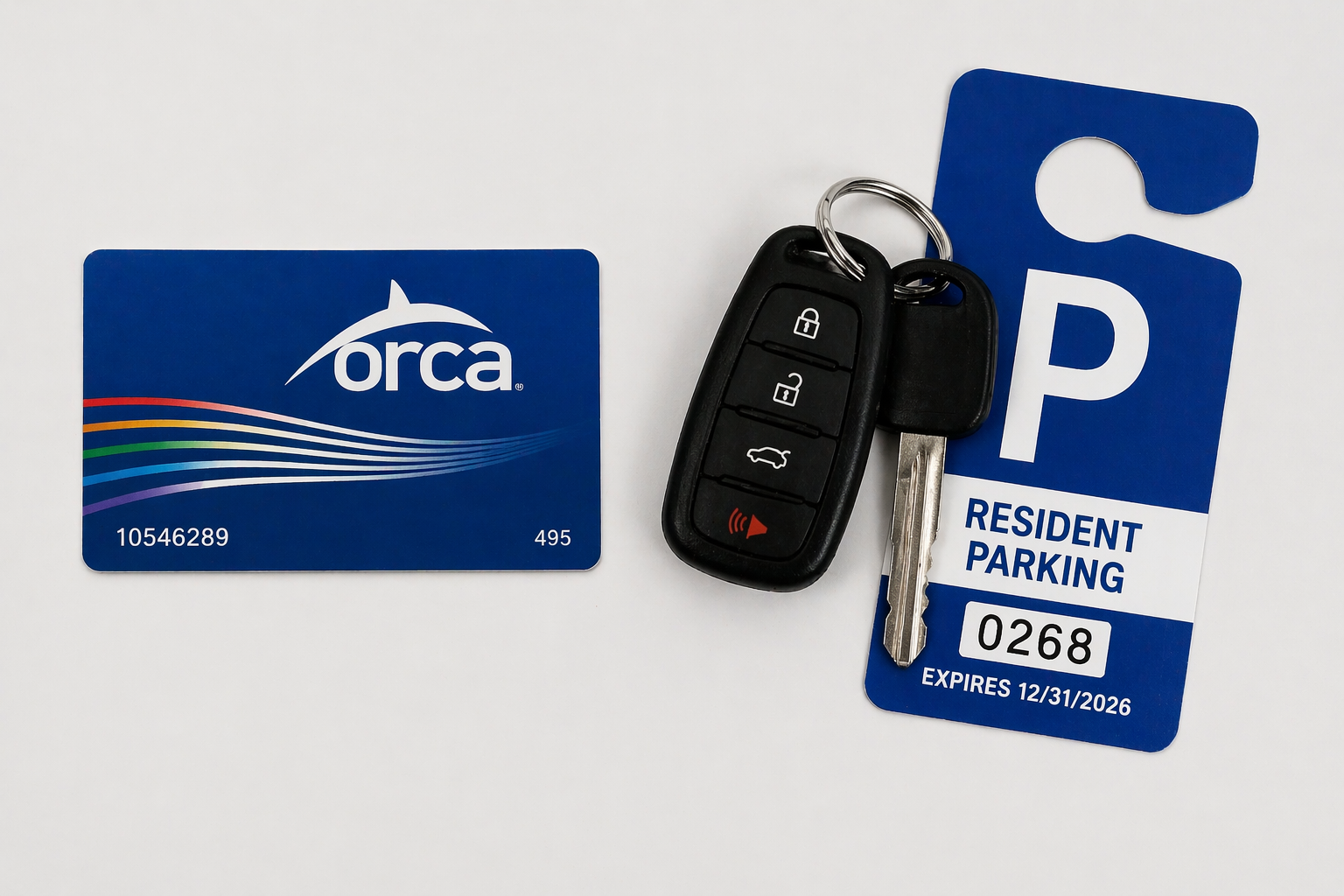
If you’re downtown Seattle, Capitol Hill, or close-in Eastside near a light rail station, probably no car needed. ORCA pass (monthly): $99. Occasional Uber: $100 to $200/month. Total: $200 to $300/month.
Compared to car ownership: car payment ($300-$500), insurance ($110-$250), gas ($150-$250), maintenance sinking fund ($60-$100), parking ($25-$200). Total: $645 to $1,300/month. A car costs $400 to $1,000 more per month than a dedicated transit life.
06. Renters Insurance (It's Cheap, Get It)
Renters insurance in Washington typically runs $12 to $25/month for $25,000 of personal property coverage and $100,000 of liability. Most Olympic communities require it in the lease now. If your unit has a fire, a break-in, a neighbor’s pipe floods your stuff, or your dog bites someone, this is the insurance that pays out.
07. The Sinking Funds Nobody Mentions
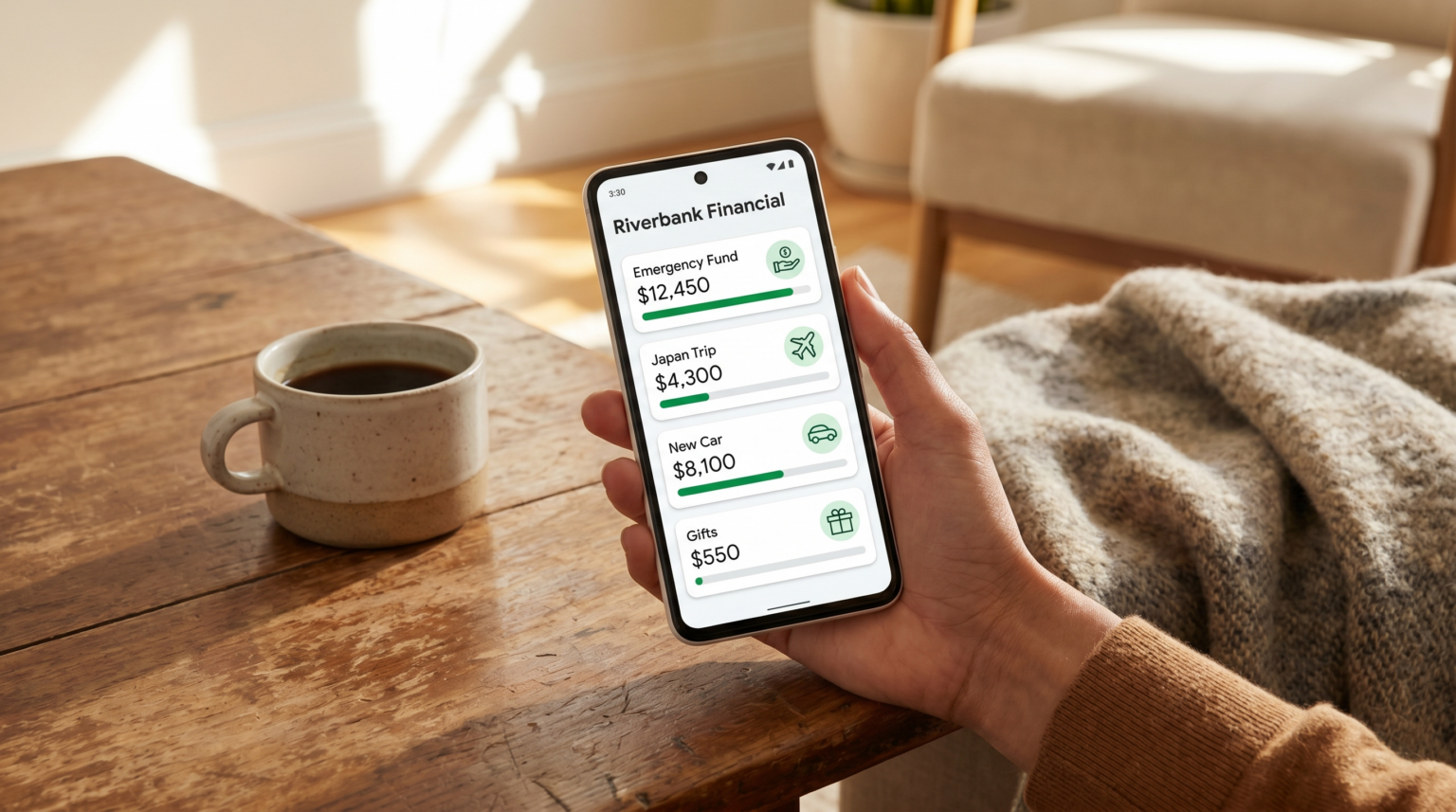
Sinking funds are the buckets you save into every month for predictable-but-irregular costs:
- Car maintenance fund: $50 to $100/month.
- Holiday/gifts fund: $50 to $100/month starting in January.
- Travel fund: whatever you want it to be, just make it intentional.
- Move-out fund: $75 to $150/month. Saves you when you move next.
- Emergency fund (separate): 3 to 6 months of expenses, built up over time.
The trick is automating these. Set up separate savings buckets and auto-transfer on payday.
Budget too tight for where you’re renting? We manage apartments across 20+ Western WA communities, including some with prices that give you more room to save. Browse communities.